Why Your Website Platform Matters More Than Ever
In today’s fast-paced digital landscape, your website platform serves as the foundation of your online presence. Yet many businesses in the Philippines continue to operate on outdated platforms that were built for a different era. If your website is running on legacy technology or an obsolete content management system, you’re not just missing out on modern features—you’re actively hindering your business growth and competitiveness.
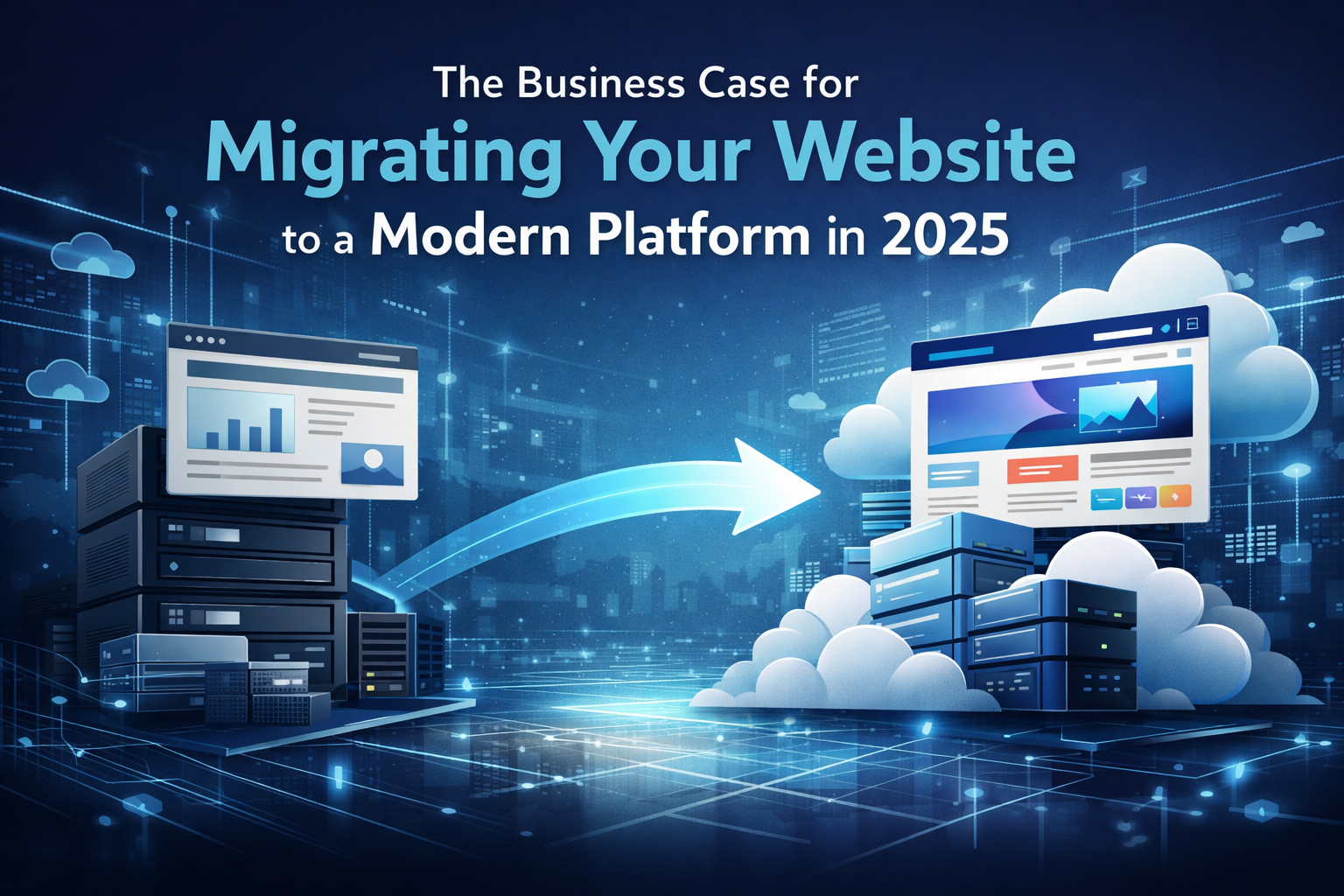
Website platform migration might seem like a daunting investment, but the cost of staying on an outdated system often far exceeds the cost of upgrading. Let’s explore why 2025 is the ideal time to consider modernizing your website platform and how it can transform your business operations.
Clear Signs Your Current Platform Is Holding You Back
Before diving into the benefits of migration, it’s important to recognize when your current platform has become a liability rather than an asset. Here are the most common warning signs:
- Security vulnerabilities: Older platforms often lack the latest security updates, making your website an easy target for cyber attacks and data breaches
- Poor mobile responsiveness: If your site doesn’t adapt seamlessly to mobile devices, you’re losing customers and search engine rankings
- Limited scalability: As your business grows, your platform should grow with you—not constrain your expansion
- Difficult content management: If updating your website requires technical expertise or external help for simple changes, your platform is outdated
- Incompatibility with modern tools: Newer marketing automation, analytics, and e-commerce tools may not integrate with legacy systems
- Slow performance: Outdated code and inefficient databases can significantly impact loading speeds and user experience
The Tangible Benefits of Modern Website Platforms
Migrating to a contemporary platform delivers measurable advantages that directly impact your bottom line:
Enhanced Security and Compliance
Modern platforms receive regular security updates and patches, protecting your business data and customer information. With increasing cybersecurity threats and stricter data protection regulations, this level of security is no longer optional—it’s essential for business continuity.
Improved Search Engine Performance
Today’s platforms are built with SEO best practices in mind, featuring clean code, fast loading times, and mobile-first design. These technical improvements help your website rank higher in search results, driving more organic traffic to your business without increasing your advertising spend.
Better User Experience and Conversion Rates
Modern platforms offer intuitive navigation, faster page loads, and responsive design that adapts to any device. These improvements don’t just make your site look better—they directly increase conversion rates by making it easier for visitors to find information and take action.
Greater Operational Efficiency
Contemporary content management systems empower your team to make updates quickly without requiring technical knowledge. This independence reduces your reliance on developers for routine tasks, saving time and money while allowing you to respond faster to market changes.
Key Considerations for a Successful Migration
Platform migration requires careful planning to ensure business continuity and preserve your digital assets. Here’s what you need to consider:
Content and Data Preservation
All your existing content, user data, and SEO value must be carefully transferred to the new platform. This includes maintaining URL structures or implementing proper redirects to preserve your search engine rankings and avoid broken links.
Minimal Downtime
A well-executed migration should cause minimal disruption to your business operations. Professional website development services in the Philippines can plan migrations during low-traffic periods and use staging environments to test thoroughly before going live.
Training and Support
Your team needs to understand how to use the new platform effectively. Comprehensive training ensures you can maximize the benefits of your new system from day one.
Ongoing Maintenance
After migration, your new platform will need regular updates, security monitoring, and performance optimization. Partnering with reliable website maintenance services ensures your investment continues to deliver value long-term.
Choosing the Right Migration Partner
The success of your platform migration depends heavily on choosing an experienced development partner who understands both the technical complexities and business implications of the process. Look for professionals with:
- Proven experience with platform migrations in your industry
- A clear methodology for data preservation and SEO protection
- Transparent communication throughout the project lifecycle
- Post-migration support to address any issues quickly
- Local expertise that understands the Philippine business environment
An experienced web developer can assess your current situation, recommend the most suitable modern platform for your specific needs, and execute the migration with minimal risk and disruption.
Making the Migration Decision
The decision to migrate your website to a modern platform is ultimately an investment in your business’s digital future. While staying on a familiar legacy system might feel safer in the short term, the long-term costs—in lost opportunities, security risks, and competitive disadvantage—make migration increasingly urgent.
2025 presents an ideal opportunity to make this transition. Modern platforms are more mature and stable than ever, migration tools and best practices are well-established, and the competitive advantages of modern technology have never been more pronounced.
If you’ve recognized any of the warning signs discussed in this article, now is the time to evaluate your options. Professional web development expertise can help you navigate this transition smoothly, ensuring your website platform becomes a powerful asset that drives business growth rather than a limitation holding you back.
Don’t let an outdated platform prevent your business from reaching its full potential. The cost of waiting often exceeds the cost of action, and in the rapidly evolving digital landscape, the businesses that thrive are those that adapt proactively rather than reactively.