Introduction: The Missing Piece in Most Business Websites
Many Philippine businesses invest thousands of pesos in beautiful website designs, only to launch with placeholder text, sparse information, and no clear plan for what content to publish or when. This is like building a stunning store but having no idea what to put on the shelves. A website without a content strategy is merely a digital brochure that quickly becomes outdated and ineffective.
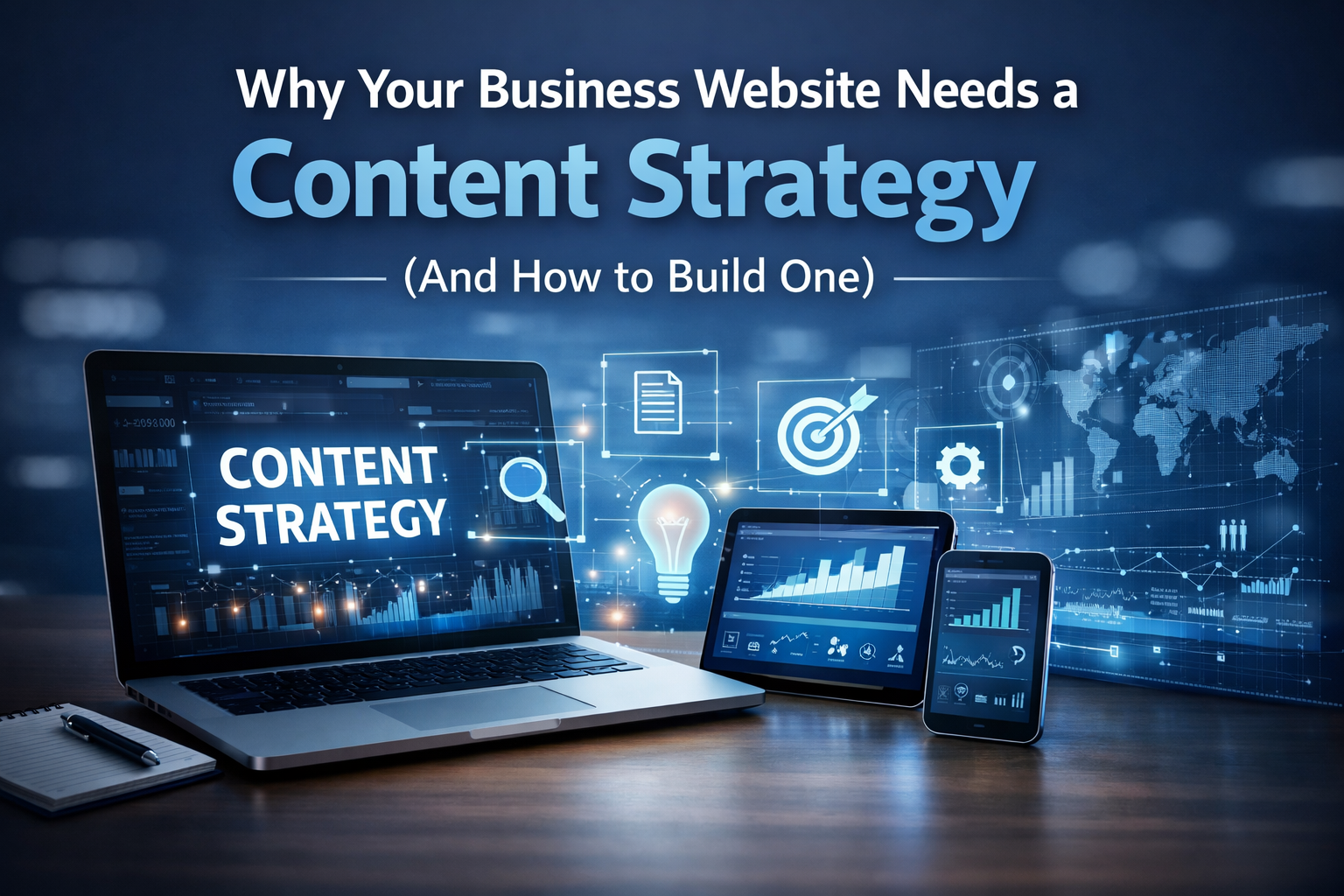
A content strategy is your roadmap for creating, publishing, and managing useful, usable content that serves both your business goals and your audience’s needs. It answers critical questions: What content do you need? Who is it for? How will it be created and maintained? Most importantly, how will it help your business grow?
Why Content Strategy Matters More Than Ever
In today’s digital landscape, your website content does far more than just inform visitors—it drives your entire online presence. Here’s why a solid content strategy is essential for Philippine businesses:
Search Engines Reward Quality Content
Google’s algorithms have become increasingly sophisticated at identifying valuable, relevant content. Websites that consistently publish high-quality, strategically planned content rank higher in search results. Without a content strategy, you’re essentially hoping for visibility rather than systematically building it. Working with an experienced website developer in the Philippines who understands both technical structure and content requirements can give you a significant advantage in search rankings.
Content Establishes Your Authority
When potential clients research solutions to their problems, comprehensive, helpful content positions your business as an authority in your field. A manufacturing company that publishes guides about industry standards, a law firm that explains complex legal processes, or a retail business that offers buying guides—all demonstrate expertise that builds trust before the first conversation.
It Supports the Entire Customer Journey
Different visitors arrive at your website at different stages of awareness. Some are just discovering they have a problem, others are comparing solutions, and some are ready to buy. A content strategy ensures you have content for each stage, guiding visitors from awareness to decision.
The Hidden Costs of Not Having a Content Strategy
Operating without a content strategy isn’t just a missed opportunity—it actively costs your business:
- Wasted Time and Resources: Creating content reactively leads to duplicated efforts, inconsistent messaging, and content that doesn’t align with business objectives. Teams spend hours creating materials that don’t serve a clear purpose.
- Inconsistent Brand Voice: When different people create content without guidelines, your brand voice becomes fragmented. One page might be formal and corporate while another is casual and friendly, confusing your audience about who you really are.
- Poor User Experience: Visitors can’t find the information they need because content isn’t organized logically or doesn’t exist at all. This frustration drives them to competitor websites.
- Missed SEO Opportunities: Without strategic planning, you miss valuable keyword opportunities, create thin content that doesn’t rank, or inadvertently compete with yourself by covering the same topics inconsistently across multiple pages.
- Outdated Information: Websites without content management plans often contain outdated pricing, discontinued products, or obsolete information that damages credibility.
Essential Elements of an Effective Content Strategy
Building a content strategy doesn’t require a massive team or budget. Here are the core components every Philippine business should include:
1. Clear Business and User Goals
Define what you want your content to achieve: generate leads, reduce support calls, educate prospects, or establish thought leadership. Equally important, understand what your target audience needs: answers to specific questions, solutions to problems, or guidance in making decisions.
2. Audience Personas and Journey Mapping
Document who your ideal customers are, what challenges they face, and what questions they ask at each stage of their buying journey. This ensures every piece of content serves a specific audience need.
3. Content Audit and Gap Analysis
Evaluate your existing content. What do you already have? What’s performing well? What’s missing? This analysis reveals opportunities and prevents duplication. Professional website maintenance services can help regularly audit and update your content to keep it relevant and effective.
4. Content Types and Formats
Determine which content formats will best serve your goals: service pages, blog articles, case studies, FAQs, videos, infographics, or downloadable guides. Different formats serve different purposes and audience preferences.
5. Editorial Calendar and Workflow
Plan when content will be created and published. Establish who’s responsible for creation, review, approval, and publication. A clear workflow prevents bottlenecks and ensures consistency.
6. Governance and Maintenance Plan
Content isn’t “set and forget.” Define how often content will be reviewed and updated, who owns different sections, and how changes are approved. This keeps your website current and authoritative.
Getting Started: Practical Steps for Philippine Businesses
Building a content strategy might seem overwhelming, but you can start with these actionable steps:
- Start with Strategic Pages: Before worrying about blog posts, ensure your core pages—homepage, services, about, and contact—have clear, compelling content that addresses visitor questions and drives action.
- Document Your Most-Asked Questions: What do customers always ask? Create content that answers these questions comprehensively. This forms the foundation of valuable, user-focused content.
- Establish Basic Style Guidelines: Define your brand voice, key terminology, and formatting standards. Even a simple two-page document ensures consistency.
- Plan Quarterly, Execute Monthly: Don’t try to plan a year of content. Plan the next quarter in detail, with rough themes for future quarters. This provides direction while remaining flexible.
- Integrate Content Planning into Development: If you’re building a new website or developing a web application, incorporate content strategy from the beginning. Design and content should inform each other, not compete.
Conclusion: Content Strategy as a Competitive Advantage
In a market where many Philippine businesses still treat website content as an afterthought, having a deliberate content strategy becomes a significant competitive advantage. It transforms your website from a static online brochure into a dynamic asset that attracts visitors, answers questions, builds trust, and drives business growth.
The businesses that win online aren’t necessarily those with the biggest budgets—they’re the ones who consistently deliver valuable content that serves their audience’s needs while advancing their business goals. Whether you’re launching a new website or revitalizing an existing one, investing time in content strategy delivers returns that compound over time through better search rankings, increased authority, and more qualified leads.
Your content strategy doesn’t need to be perfect from day one. Start with the basics, measure what works, and refine your approach over time. The important thing is to start with intention rather than hoping random content efforts will somehow produce results.