Why Website Analytics Matter More Than Ever
In today’s digital landscape, having a website is just the starting point. The real competitive advantage comes from understanding how visitors interact with your site and using that knowledge to make informed business decisions. Website analytics provide invaluable insights into customer behavior, preferences, and pain points that can directly impact your bottom line. For Philippine businesses competing in both local and global markets, leveraging data-driven strategies has become essential for sustainable growth.
Many business owners invest in professional websites but fail to tap into the wealth of information their site generates daily. This oversight means missing opportunities to optimize marketing efforts, improve user experience, and ultimately increase conversions. Understanding and acting on website analytics can be the difference between a static online presence and a dynamic growth engine.
Understanding Key Website Metrics That Drive Business Decisions
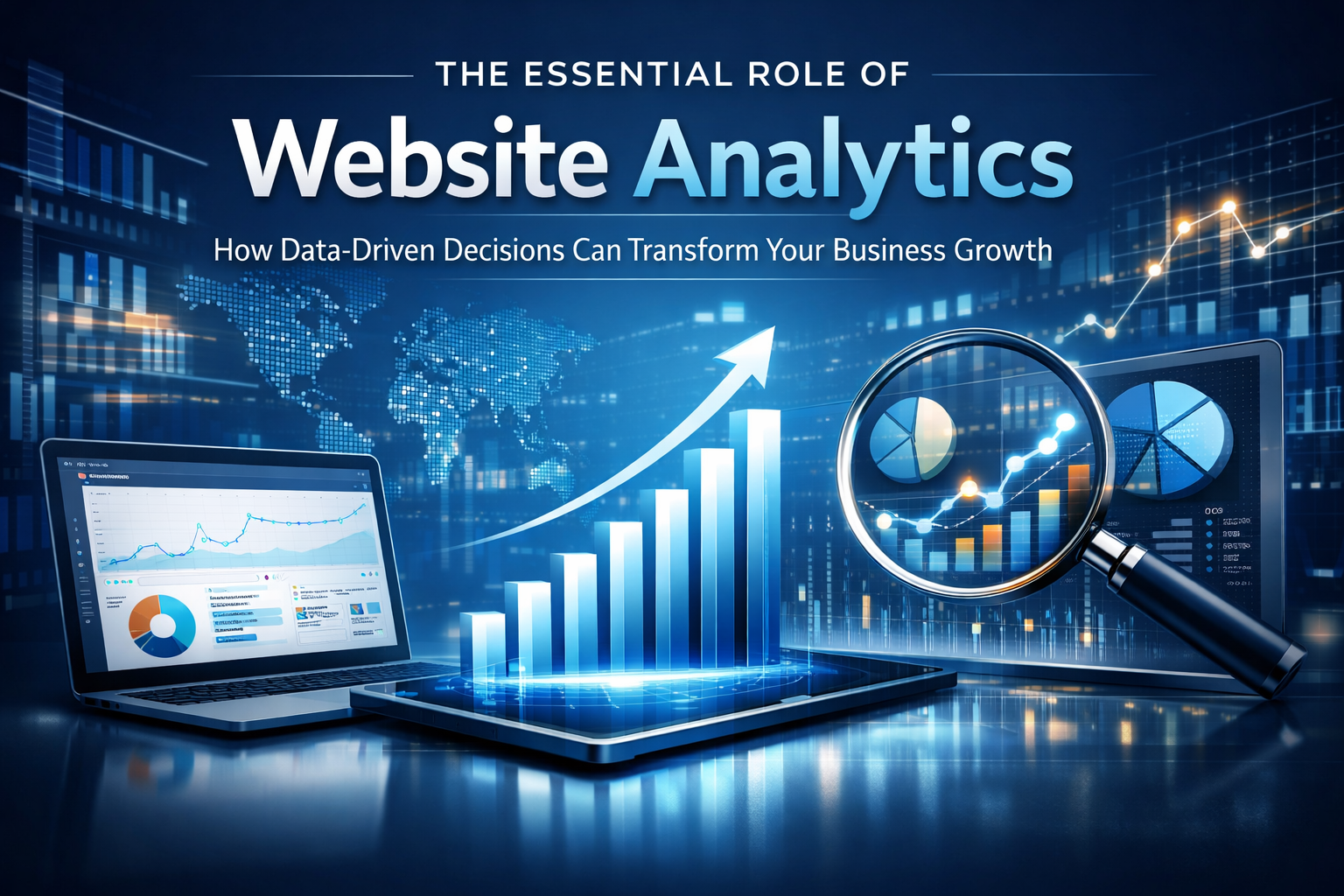
Not all metrics are created equal. While it’s tempting to focus on vanity metrics like total page views, successful businesses concentrate on data that directly correlates with their goals. Here are the essential metrics every business owner should monitor:
- Conversion Rate: The percentage of visitors who complete desired actions, whether that’s making a purchase, filling out a contact form, or downloading a resource. This metric directly reflects how effectively your website turns visitors into customers or leads.
- Traffic Sources: Understanding where your visitors come from—organic search, social media, paid advertising, or direct visits—helps you allocate marketing resources more effectively and identify which channels deliver the best return on investment.
- Bounce Rate: The percentage of visitors who leave after viewing only one page. A high bounce rate may indicate content misalignment, slow loading times, or poor user experience that needs addressing.
- Average Session Duration: How long visitors spend on your site indicates engagement levels and content quality. Longer sessions typically suggest visitors find your content valuable and relevant.
- User Flow: Tracking the paths visitors take through your site reveals how intuitive your navigation is and where potential friction points exist in the customer journey.
How Analytics Inform Strategic Business Decisions
Raw data becomes powerful when transformed into actionable insights. Here’s how businesses can leverage analytics to drive growth:
Optimizing Marketing Investment
By analyzing which channels bring the most qualified traffic and conversions, you can redirect budget from underperforming campaigns to high-impact strategies. For example, if organic search drives 60% of your conversions, investing in professional website development services in the Philippines that prioritize SEO-friendly architecture makes strategic sense.
Improving User Experience
Analytics reveal exactly where users struggle on your website. If data shows visitors abandoning their shopping carts at the payment stage, you know where to focus your optimization efforts. Heat mapping and session recordings complement traditional analytics by showing how users actually interact with your pages.
Content Strategy Development
Identifying your most popular content helps you understand what resonates with your audience. This intelligence should guide future content creation, ensuring you produce material that attracts and engages your target market. Pages with high exit rates may need content improvements or stronger calls-to-action.
Mobile Optimization Priorities
With mobile traffic often exceeding desktop in the Philippines, analytics showing high mobile bounce rates or low mobile conversion rates signal urgent optimization needs. Device-specific data helps you prioritize responsive design improvements.
Common Analytics Mistakes That Cost Philippine Businesses
Even businesses that use analytics tools often make critical errors that undermine their effectiveness:
- Not Setting Up Conversion Tracking: Without defining and tracking specific goals, you’re essentially flying blind. Every business website should have clearly defined conversions being monitored.
- Ignoring Data Quality: Bot traffic, internal employee visits, and improper filter settings can skew your data significantly. Ensuring clean, accurate data is fundamental to making sound decisions.
- Analysis Paralysis: Having access to too much data without focusing on key performance indicators can lead to inaction. Identify the 5-7 metrics that truly matter to your business objectives.
- Failing to Act on Insights: Collecting data without implementing changes based on findings is perhaps the most common and costly mistake. Analytics should drive continuous improvement, not just satisfy curiosity.
Implementing Effective Tracking Systems
Professional implementation of analytics tools ensures you capture accurate, comprehensive data from day one. This involves more than simply adding a tracking code to your website. Proper setup includes:
Configuring event tracking for button clicks, video plays, and form submissions gives you granular insight into user engagement. E-commerce businesses need detailed transaction tracking to understand product performance and customer value. Setting up custom segments allows you to analyze behavior patterns of specific user groups, such as returning customers versus first-time visitors.
For businesses working with experienced web developers in the Philippines, analytics implementation should be part of the initial development process. Retrofitting tracking onto an existing site often results in gaps in historical data and missed opportunities.
Turning Data Into Actionable Growth Strategies
The ultimate value of analytics lies in its ability to inform concrete actions that drive business growth. Successful businesses establish regular review cycles—weekly for high-traffic sites, monthly for smaller operations—to analyze performance and identify optimization opportunities.
Create a culture of testing and iteration. Use analytics data to form hypotheses about what might improve performance, then test those hypotheses through A/B testing or controlled experiments. For instance, if analytics show users spending little time on product pages, test different layouts, add video content, or improve product descriptions to see what increases engagement.
Integration between analytics and other business systems amplifies their value. Connecting website data with your CRM system provides a complete picture of the customer journey from first website visit through to sale and beyond. This holistic view enables more sophisticated marketing automation and personalization strategies.
The Ongoing Journey of Data-Driven Optimization
Website analytics isn’t a one-time setup but an ongoing practice that evolves with your business. As your goals change and your market shifts, your analytics strategy should adapt accordingly. Regular website maintenance and management services should include analytics review and optimization to ensure you’re continuously improving performance.
For Philippine businesses serious about growth, embracing a data-driven approach to website management provides a sustainable competitive advantage. The insights gained from proper analytics implementation inform smarter marketing decisions, better user experiences, and ultimately, stronger business results. Whether you’re running an e-commerce store, a service-based business, or a corporate website, understanding how visitors interact with your digital presence is fundamental to success in today’s market.
Start by ensuring your analytics foundation is solid, focus on metrics that align with your business objectives, and commit to regular analysis and optimization. The businesses that thrive in the digital economy aren’t necessarily those with the largest budgets, but those that best understand and respond to what their data reveals.